/

The Strategy Behind Showing Up First When it comes to digital marketing, most tactics take time to warm up. SEO? That’s a long game. Social media? Hope your post hits the algorithm lottery. But PPC? PPC is different. With Pay-Per-Click advertising—especially through Google Ads—you get results now. You’re not waiting around. You show up at the top of the search…
When it comes to digital marketing, most tactics take time to warm up. SEO? That’s a long game. Social media? Hope your post hits the algorithm lottery. But PPC? PPC is different.
With Pay-Per-Click advertising—especially through Google Ads—you get results now. You’re not waiting around. You show up at the top of the search page exactly when people are looking for what you offer. That’s not luck. That’s strategy.
And it works. On average, businesses make $2 for every $1 spent on Google Ads. Not bad for a platform where your ad can reach over 90% of all internet users.
This isn’t about shouting into the void. It’s about showing up, saying the right thing, and getting noticed by the right people—at the perfect time.
Think of PPC as renting a prime billboard in Times Square, but instead of paying for exposure, you only pay when someone actually stops to look. Pretty good, right?
In a nutshell, PPC is an online ad model where you only pay when someone clicks your ad. You can run these ads on platforms like Google, ensuring that when people search for what you offer, your ad is right there to greet them.
With Google Ads, your business can appear at the top of search results, getting you in front of the right audience. You choose keywords, write an ad, and pay when someone clicks. It’s one of the fastest and most effective ways to grab attention online. Now, let’s break it down.
At the heart of Google Ads are keywords—the words and phrases people type into Google when searching for something. You, as the business, choose which keywords to “bid” on. When someone searches for that keyword, your ad might appear.
For instance, if you run a bakery, you might bid on “best cupcakes in [city]” or “custom birthday cakes.” When someone’s sweet tooth takes over, your bakery could be the first thing they see at the top of Google search results.
Google Ads works on a bidding system. You decide how much you’re willing to pay each time someone clicks your ad. But don’t worry—it’s not all about who throws down the most cash. Google also factors in your Ad Quality Score, which measures how relevant and useful your ad is.
So even if you’re not the biggest spender, if your ad is well-crafted and relevant, you can still land that top spot.
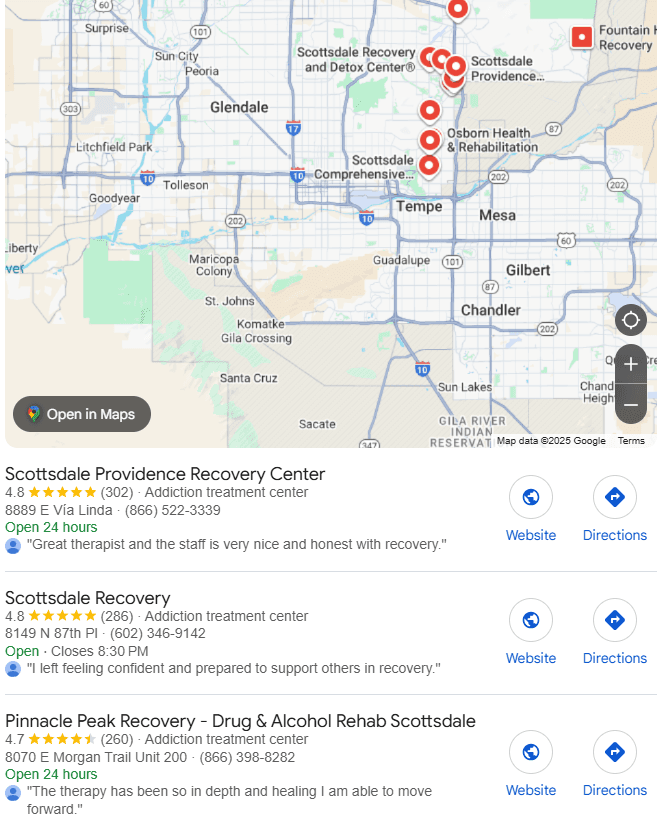
Google Ads gives you multiple ways to make an appearance:
4. Budgets: You Call the Shots
Here’s the beauty of PPC: You control the budget. Whether you’re spending $10 a day or $1,000, you’re in charge. You can set daily or monthly limits, and once you hit that cap, Google stops showing your ads—meaning no surprises when the bill comes.
The best part? You only pay when someone clicks your ad. If no one clicks, you don’t pay. It’s the kind of cost-effectiveness that makes traditional advertising jealous. PPC lets you pay for engagement, not just visibility, making it one of the most efficient ways to advertise online.
Define your goals—whether it’s driving sales, generating leads, or building brand awareness. Clear objectives will help align your strategy and make sure your ad spend works toward the right results.
Keywords are crucial to your PPC campaign. Focus on what your audience is searching for and bid on intent-driven keywords to reach people who are ready to act.
Your ad copy grabs attention, but your landing page closes the deal. Make sure it’s clear, relevant, and guides visitors to the action you want them to take—whether that’s making a purchase or signing up.
Keep an eye on key metrics like click-through rates (CTR) and cost-per-click (CPC). Continuously tweak your ads, bids, and keywords to stay competitive and improve performance.
Remarketing allows you to re-engage people who’ve visited your site but didn’t convert. By staying top of mind, you increase the chances of turning them into customers.
Unlike SEO (which can take months to climb up the rankings), Google Ads puts you right at the top from day one. If you want to be seen, and seen fast, PPC delivers.
Google Ads lets you target based on location, device, and even time of day. You can also use remarketing to re-engage visitors who didn’t convert the first time. It’s like having a superpower—you’re everywhere they need you to be.
Every click, impression, and conversion is trackable. Google Ads gives you the data you need to know exactly how your campaign is performing so you can adjust and optimize accordingly. No more guessing games—just clear results.
For insights on how Verum can fine-tune your PPC strategy for better results, take a look at ourPay-Per-Click Marketing Services.
Let’s clear up a few myths:
At Verum, we specialize in crafting high-performance PPC campaigns that help businesses achieve their goals. Whether you’re aiming to drive more sales, generate quality leads, or boost brand awareness, we ensure every ad, every click, and every dollar spent works toward achieving your business objectives.
Ready to unlock the full potential of Google Ads and PPC for your business? Schedule a quick discovery call using the form below.

In 2026, social media is no longer about going viral or posting just to stay busy. For service-based businesses, it plays a much quieter but far more important role. It helps customers decide whether they trust you enough to pick up the phone.
For service-based businesses, customer demand follows predictable patterns. Weather changes, routines shift, and the same problems show up at the same time every year. Seasonal marketing works because it meets customers when their attention is already there.
A recent poll from ppcsurvey.com showed that 52% of marketers say PPC has become more challenging, yet only 8% are changing how they manage it. What’s your strategy for 2026?