/
Email and text marketing tactics that drive repeat customers
Every business wants more leads, but the smartest growth usually comes from the customers you already have. Studies show that acquiring a new customer can cost up to five times more than retaining an existing one. Even more telling, a 5 percent increase in customer retention can lift profits anywhere from 25 to 95 percent.
By VerumOctober 28, 2025
Every business wants more leads, but the smartest growth usually comes from the customers you already have. Studies show that acquiring a new customer can cost up to five times more than retaining an existing one. Even more telling, a 5 percent increase in customer retention can lift profits anywhere from 25 to 95 percent.
The challenge? Most service companies focus almost entirely on new acquisitions. Meanwhile, their past customers quietly drift away, never called, never emailed, never texted. That is a lost opportunity, and it adds unnecessary pressure to keep buying leads.
Email and SMS are the two most reliable ways to fix this. They create direct lines back to people who already trust you. They give you a way to thank, remind, and re-engage without depending solely on ads. Done well, they become a system that keeps customers returning, spending more, and referring others.
Why Retention Is the Growth Lever Most Businesses Ignore
Repeat customers convert faster because trust is already built. They also spend more per transaction because they are confident in the quality of your work. Retention is not about blasting messages. It is about being present at the right moments.
What we see most often is inconsistency. A business sends one thank-you email, then nothing else for months. Or they text customers only when they are desperate for work. The result is low engagement and customers who forget about them.
The companies that win are the ones that build structured retention systems. Every message has a purpose. Every touchpoint is timed. Every interaction builds loyalty.
The Role of SMS in Keeping Customers Close
Text messaging is one of the most effective retention channels because it is immediate. Open rates regularly top 90 percent, and most texts are read within minutes. That kind of visibility is rare in marketing.
For service businesses, SMS shines in three areas:
- Post-service gratitude: A short thank-you note makes a customer feel valued and leaves the door open for feedback.
- Seasonal or routine reminders: Think of tune-ups, inspections, and cleanings. The services people often forget about until it is too late.
- Timely nudges: Limited-time specials, last-minute availability, or reminders tied to weather events can spark action.
Where SMS fails is when it becomes spammy. Too many texts, vague promotions, or irrelevant offers make customers opt out fast. The difference between value and noise is structure.
Learn how ourSMS marketing serviceshelp local businesses send the right messages at the right time.
How Email Builds Long-Term Loyalty
Email is slower than SMS, but it is where businesses can add depth and personality. A thoughtful email program keeps you relevant and positions you as the expert long after the job is done.
Strong email strategies for service businesses include:
- Post-service series: thank customers, ask for feedback, and provide helpful tips.
- Seasonal campaigns: offer relevant services before the need peaks.
- Educational content: short guides, local insights, or before-and-after showcases that reinforce your expertise.
- Exclusive offers: loyalty perks that make customers feel valued.
What separates effective email marketing from wasted effort is consistency. One random newsletter does not build trust. A planned sequence, delivered over time, does.\
Explore our email marketing servicesto see how we help local service businesses build loyalty and drive repeat sales.
Why Businesses Struggle to Execute
Every owner knows they shouldbe reaching out to past customers. Few do it well. Common breakdowns include:
- No system: Emails and texts happen sporadically instead of in a planned flow.
- Generic content: Messages feel copied and pasted, not personal or relevant.
- Missed timing: Feedback requests sent weeks after service, reminders delivered too late.
- No measurement: Businesses never learn what resonates because they do not track performance.
These gaps are why retention marketing often underperforms when handled in-house. It is not about sending “some” messages. It is about sending the right messages to the right people, at the right time. That requires structure, creativity, and discipline.
Why Integration Matters
SMS and email are powerful on their own. Together, they multiply impact.
A seasonal campaign, for example, might start with an email that explains the offer, includes visuals, and provides a booking link. A few days later, a short text reminder reinforces urgency: “Hi Sarah, just a reminder our spring special ends Friday. Reply to book your spot.”
This balance of detail and immediacy moves more people from awareness to action. It also mirrors how customers naturally interact, sometimes reading emails when they have time, sometimes responding instantly to a text.
The System Behind Retention
We see it all the time: owners know they should be reaching out, but between running crews, handling calls, and managing jobs, the follow-ups just don’t happen. That is normal, but it is also why so many businesses struggle to build loyalty.
Retention requires structure. Every touchpoint should have a purpose and build toward the next one. That level of planning is hard to maintain in-house, but it is exactly what Verum delivers. We create the systems that keep your customers close, without adding another job to your plate.
Schedule a Discovery Call, and let’s build the retention strategy that keeps your best customers coming back.
FAQs
FrequentlyAskedQuestions
How often should I email past customers?+
Most local service businesses see the best results with one to two emails per month. The key is consistency, enough to stay top of mind without overwhelming inboxes.
What types of text messages work best for service businesses?+
Short, clear messages tied to real value perform best. Thank-you notes, seasonal reminders, and timely offers are far more effective than generic promotions.
Can I use the same content for email and SMS?+
Not exactly. SMS should be quick and action-oriented, while email allows for more detail, visuals, and storytelling. The best retention strategies use both in complementary ways.
How do I avoid annoying customers with too many messages?+
Recent Articles
RecentArticles

GEO + AEO
If AI Is Replacing Search, Why Is Google Telling You to Focus on SEO?
Everyone is trying to sell businesses a new AI search playbook. Google’s latest guidance says something much less dramatic: build a better website, publish content with real proof, and stop treating every new acronym like a strategy.
SEOGEO + AEOAI + Agents
Branding
Grand opening may 20th 4-7p // verum strategy + meeting hq
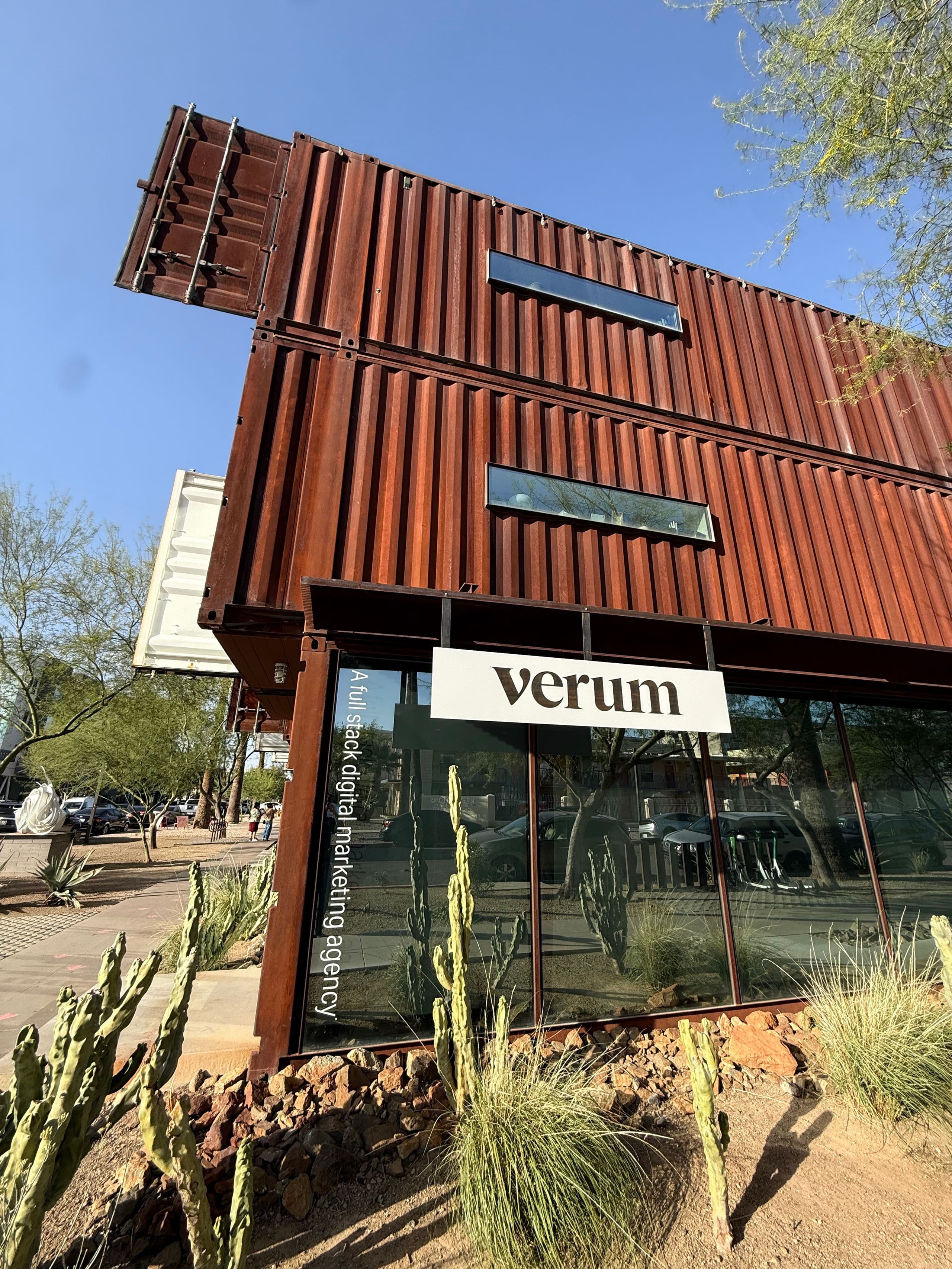
The Verum team is excited to officially opening its our Downtown Phoenix strategy + meeting HQ and content studio. Come check out the new space Wednesday May 20th 4-7PM, meet some of the team, see the studio, grab a beverage, have a bite, and talk shop.
Digital Strategy

Strategic Planning
Verum opens a new strategy + meeting hq in downtown phoenix
After 11 years serving clients across the United States, Verum Digital Marketing has opened a new meeting space and strategy HQ in downtown Phoenix.
Digital Strategy